How to rock a Mixed Media project

Pattie Crider

WRT 320

Re-Mix Project

September 24, 2013


Knowledge Made New


            Re-mixing is the art of taking what already exists and making it new. The amount of change or addition to an established piece of work can vary from using a small portion, to a complete change to the entire piece of work, or any variation of the two examples. Re-mixing is the art of changing another author’s work.

For my re-mix project, I took the work of The New Book of Knowledge, prints collected in the photography lab at York College of Pennsylvania that would have otherwise been discarded, and a sheet of poster board that was an abandoned project of an 8-year-old.  These three properties of my project were all created by other people.

First, I paged through the encyclopedias looking for topics that interested me.  I began cutting out quotes, pictures and words and making a pile of pieces I might use.  To make the overall look more appealing, I used scissors that cut unique patterns and applied the same process to a selection from the hundreds of photos created by fellow students.  My thought process was to make a connection of some type between the outdated encyclopedia texts and the newly created photos as a new way to consume knowledge. At this point, I wasn’t positive how this would all tie together, but as the creator, I went on instinct and hoped for the best.


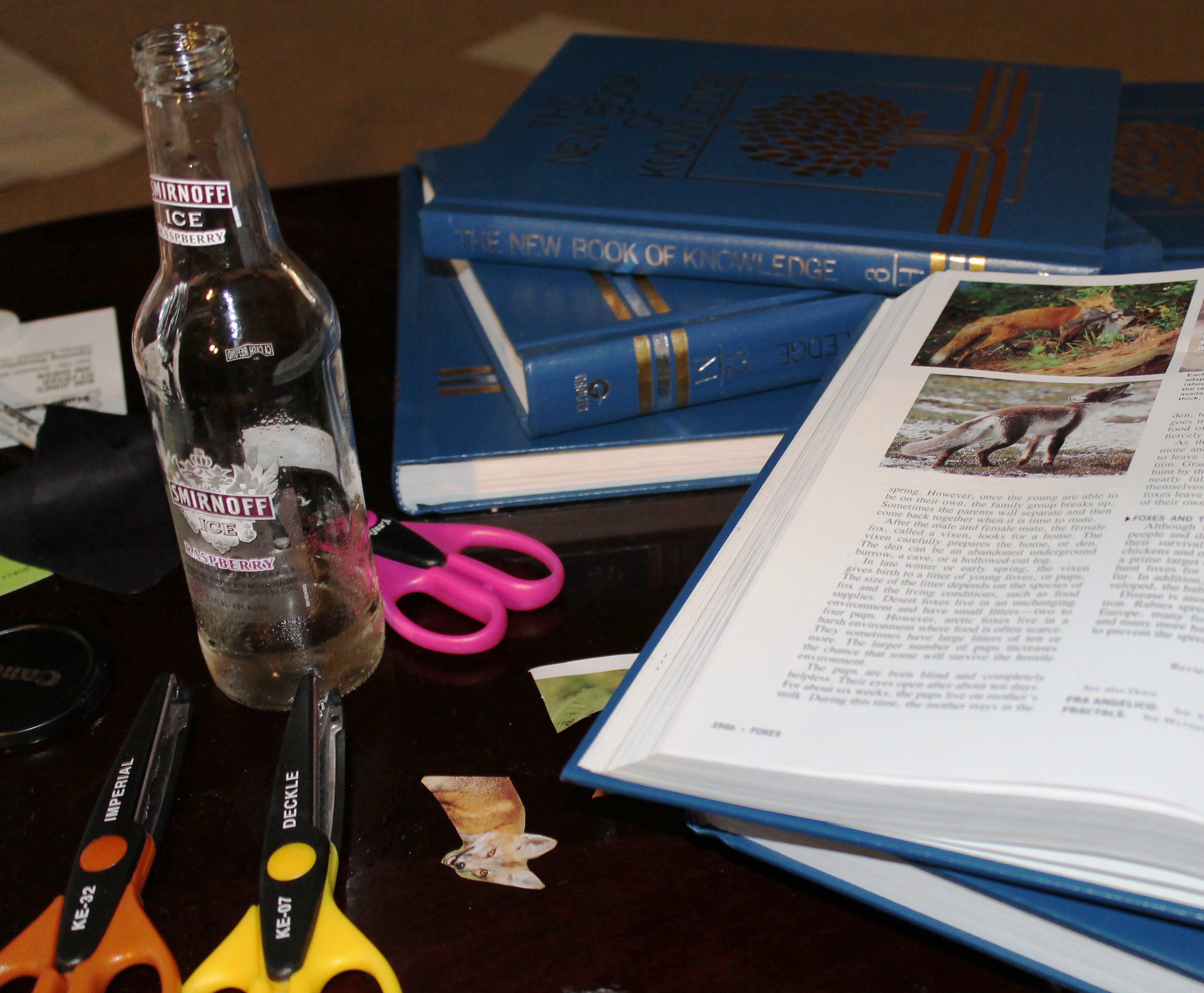
I only had one Smirnoff in the fridge, so it                      no influence my project.

I only had one Smirnoff in the fridge, so it no influence my project.


My dog was nosy and not helpful as he                     walked over my materials.

My dog was nosy and not helpful as he walked over my materials.

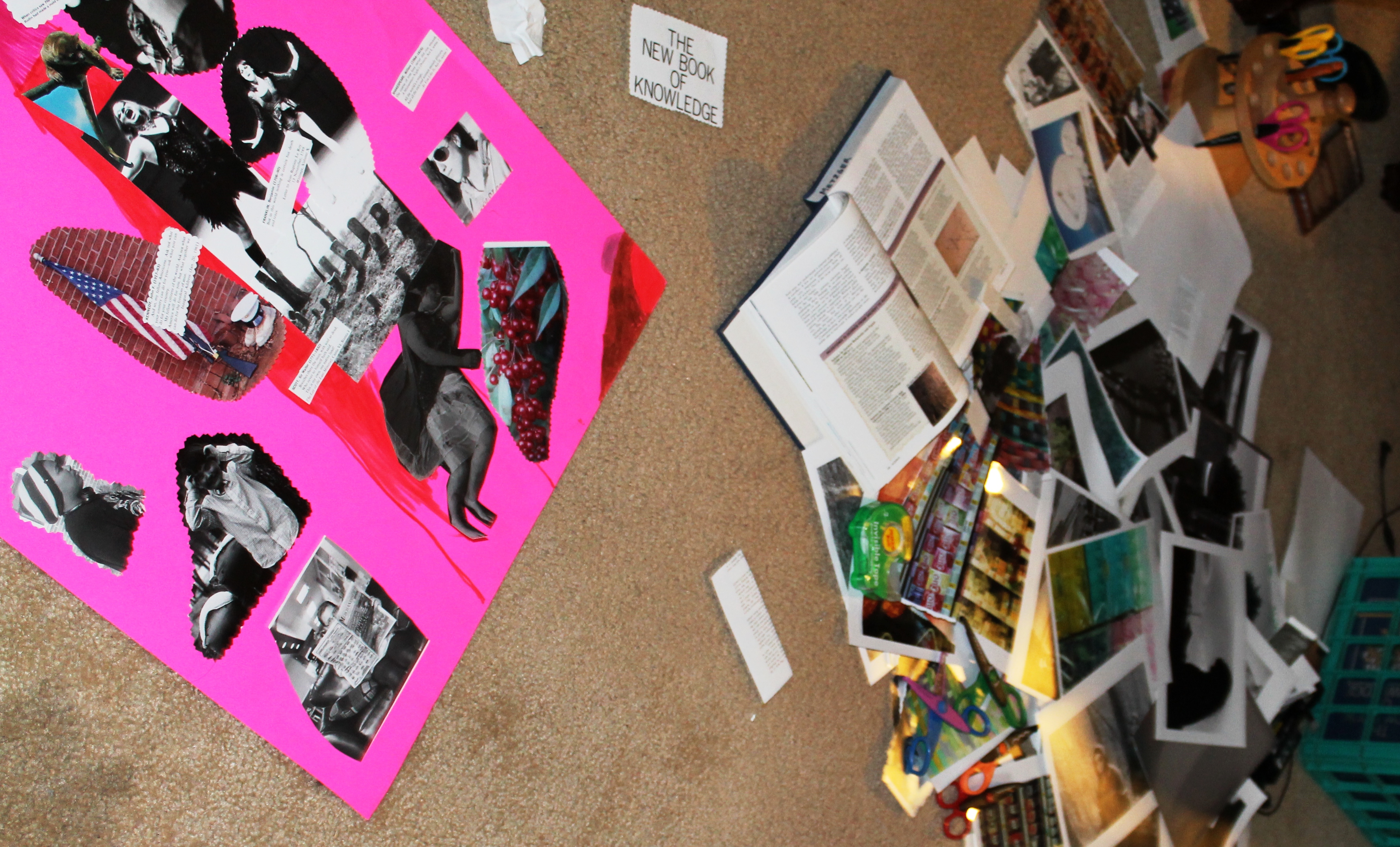
I sat at the empty spot on my living room floor and began placing my materials from the pile onto the poster board.

I sat at the empty spot on my living room floor and began placing my materials from the pile onto the poster board.

The first, and the most important line of Manovich’s text, Who is the Author, is “New media culture brings with it a number of new models of authorship which all involve different forms of collaboration.” My project fit his thesis as it grew, piece by piece. I tried to determine a theme for the photos when I realized the theme was, a new media look at knowledge, specifically, The New Book of Knowledge, encyclopedias. I chose, perhaps subconsciously, to use the rocket-like artwork on the poster as my background of the body of a tree.

Bottom Half

Bottom Half

With imagination, this work can be interpreted in endless ways. My specific interpretation is a mix of reality and fantasy, supported with quotes of historical meaning. At the base of the work, roots and death, real and imagined, are grounded. An audience is presented in consumption of performances. A young man surrounded by vegetables, a young boy with imagination spurting from his head through a rainbow while his accomplices pass gas (nuclear bomb) in the face of a centaur and to the far right, a recipe for “Heavenly Hash” by the graveyard while ladies perform musical numbers on the world’s stage…surreal.

Top Half

Top Half

The top piece of my work represents knowledge being shared with others.  The tree is metaphoric in expanding and touching the lives of all people, from those that served time in the service, defending their country and often losing their lives, to students learning or enjoying the material items life has to offer.  Again, my humor urged me to place hamburger above the ladies enjoying the nude presentation of a sculpture and to place a consumer product like Jello, as the base of the skate-boarding rubber duck.  In the center, the arms of the performer expand into a tree (cut from the cover of the encyclopedia) and a fox; the expansion of knowledge through performance is crafty, like that of a fox.  The old versus new technology is represented in the young lady facing an antiquated television and phone.  Around this lady’s neck are headphones that connect to current technology that allows for television and music entertainment on a cellular phone…surreal.

The Crown

The Crown

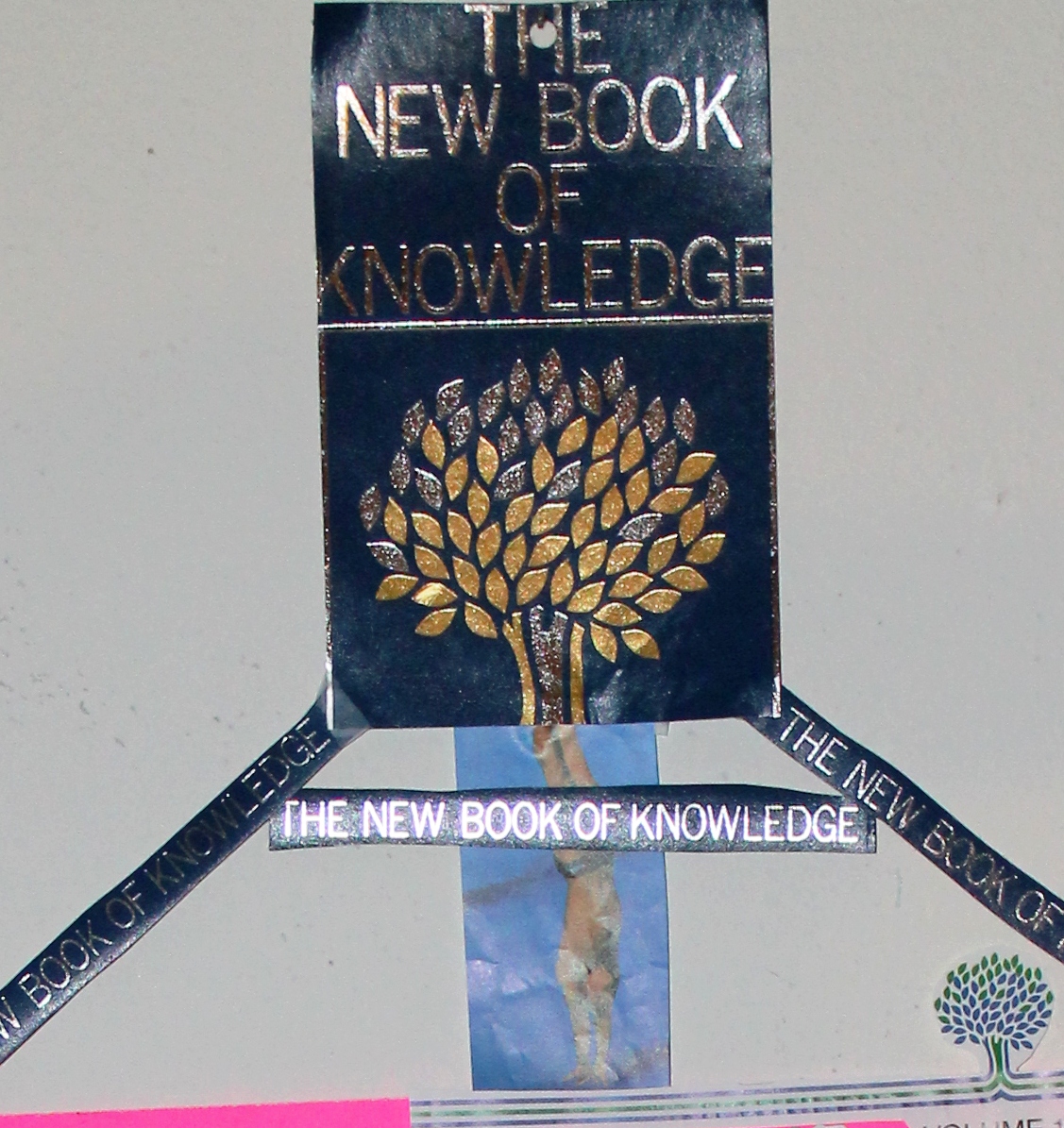
The crown to this mixed-media mash-up, is made of the front cover of one encyclopedia and the binding cover of three, to form the “holding piece” of a new form of media knowledge.  From the base of the tree a diver is frozen in space, destined to portray people’s desire to be informed by all means of media available to them.  The addition of media re-mixes allows the logic in previous work to be explored in a new form continually expanding the wealth of knowledge to those that choose to explore examples of new media forms.

Full Size

Full Size

Middle Close-up

Middle Close-up

Orators: They’re Not a Dime a Dozen

Pattie Crider

WRT320

Response 7

September 20, 2013

Classical Rhetoric

De Oratore (Of Oratory; Cicero 55 B.C.E.)


One uses a prompter

One uses a prompter

Orators: They’re Not a Dime a Dozen


            Good orators are a rare find in the present day. Most people have difficulty speaking in public, often causing the audience great distress. Cicero believed that students who strive to learn the mechanics of public speaking may still never achieve the ability to captivate and move an audience with their words. It takes a special person to excel in the art of public speaking.

Cicero had the ideal person in mind that could become a great orator.  This person must be able to portray their power, the “mastery of speaking” in front of an audience. To have this ability, they must have a personality that the audience can connect with on a personal level.  To do this, the orator had to be knowledgeable on a vast number of topics, or the dedication to perform research on a topic prior to speaking. Law was the most important topic and an orator was always expected to know Roman law. Using wit and humor, and possessing whip-like reflexes in delivering responses in combination with their body gestures and changes in the tone of their voice, made their speeches most engaging.

The specific level of language used to address an audience was mentioned several times by Cicero. An orator must speak on a level they will understand and if more scholarly words are used, examples should be given to make the argument clear. To lose the audience attention and understanding by “speaking over their heads” would be have been a tragedy. The audience, in this time period, only had the words of orators to become informed citizens. This was the news and the people depended on the orators to update them on all topics.

Cicero’s requirements of a person in the art of rhetoric are realistic presently, just as they were in the first century B.C.E. In that time, Cicero was driven to destroy the Roman senate. He was serious in his dedication to use rhetoric to inform the citizens of the actions of the empire. He is an example of a great orator of the past.  Presently, no one person comes to mind because rhetoric has changed to press conferences where the speeches are seamlessly places before the orator. There is no memorization involved in public speaking, but as Cicero pointed out, body language, facial expressions and tone are also important. Cicero was spot-on in his requirements of an orator and those requirements still hold true today.

2013 York Fair Photos

By Pattie Crider

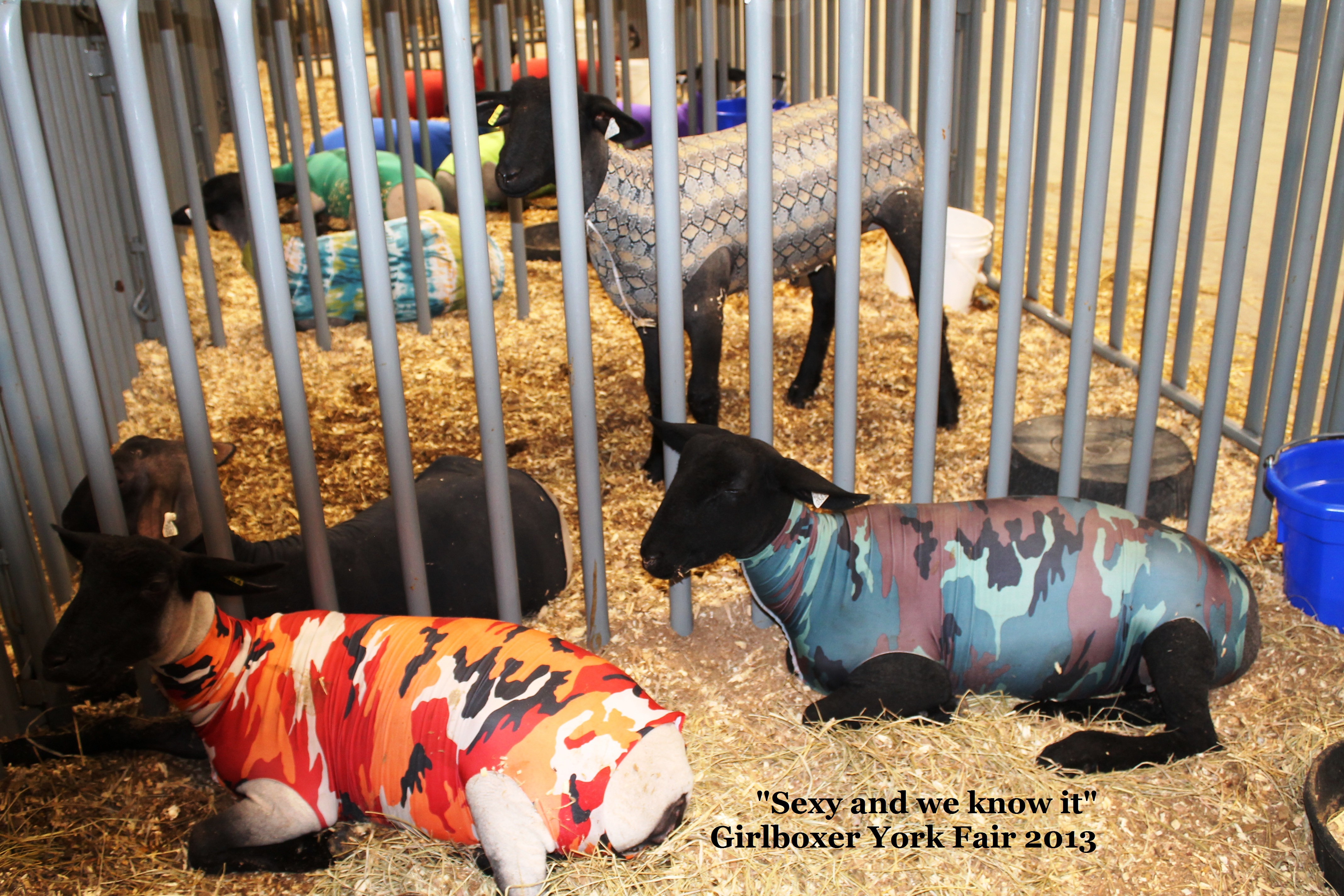
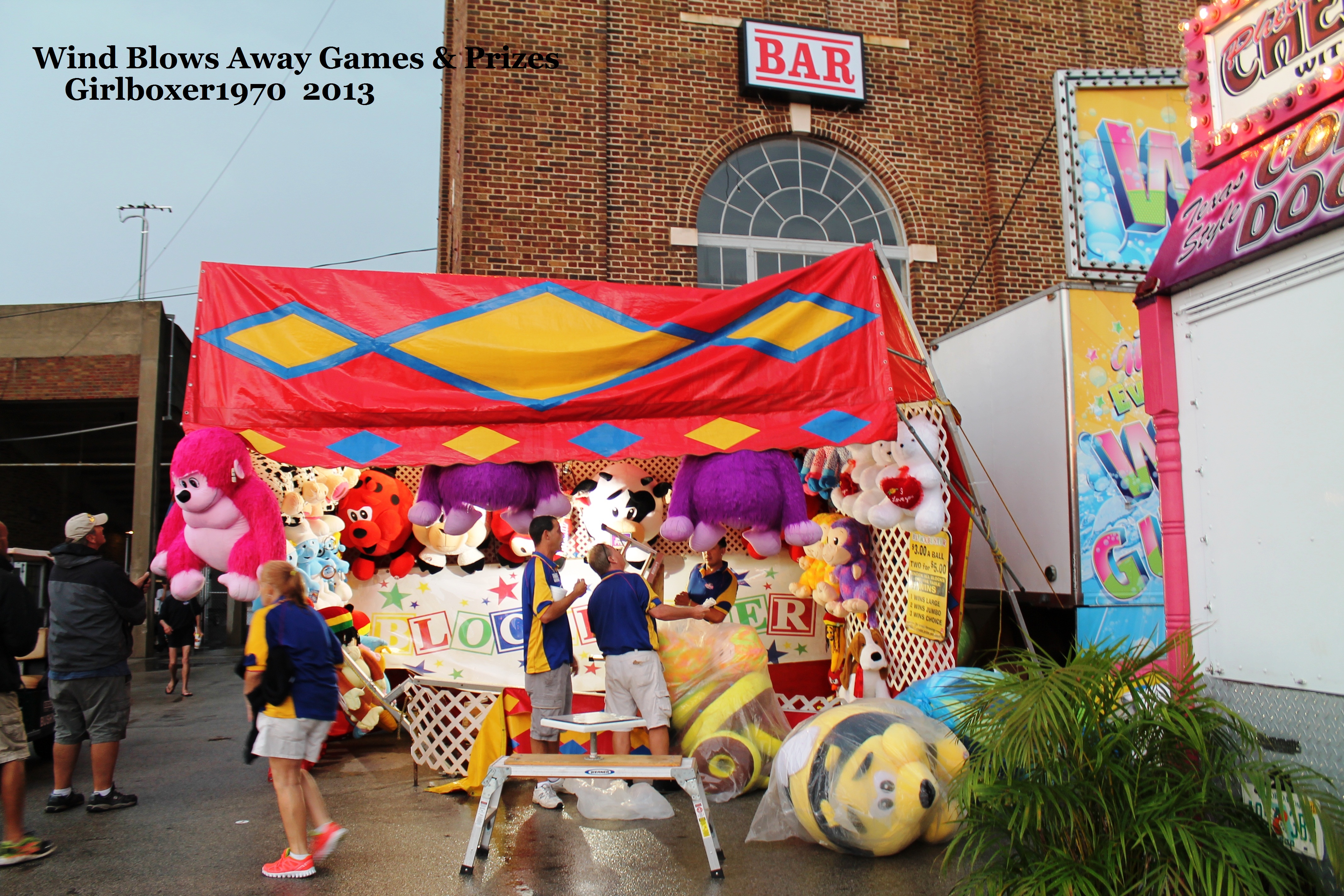
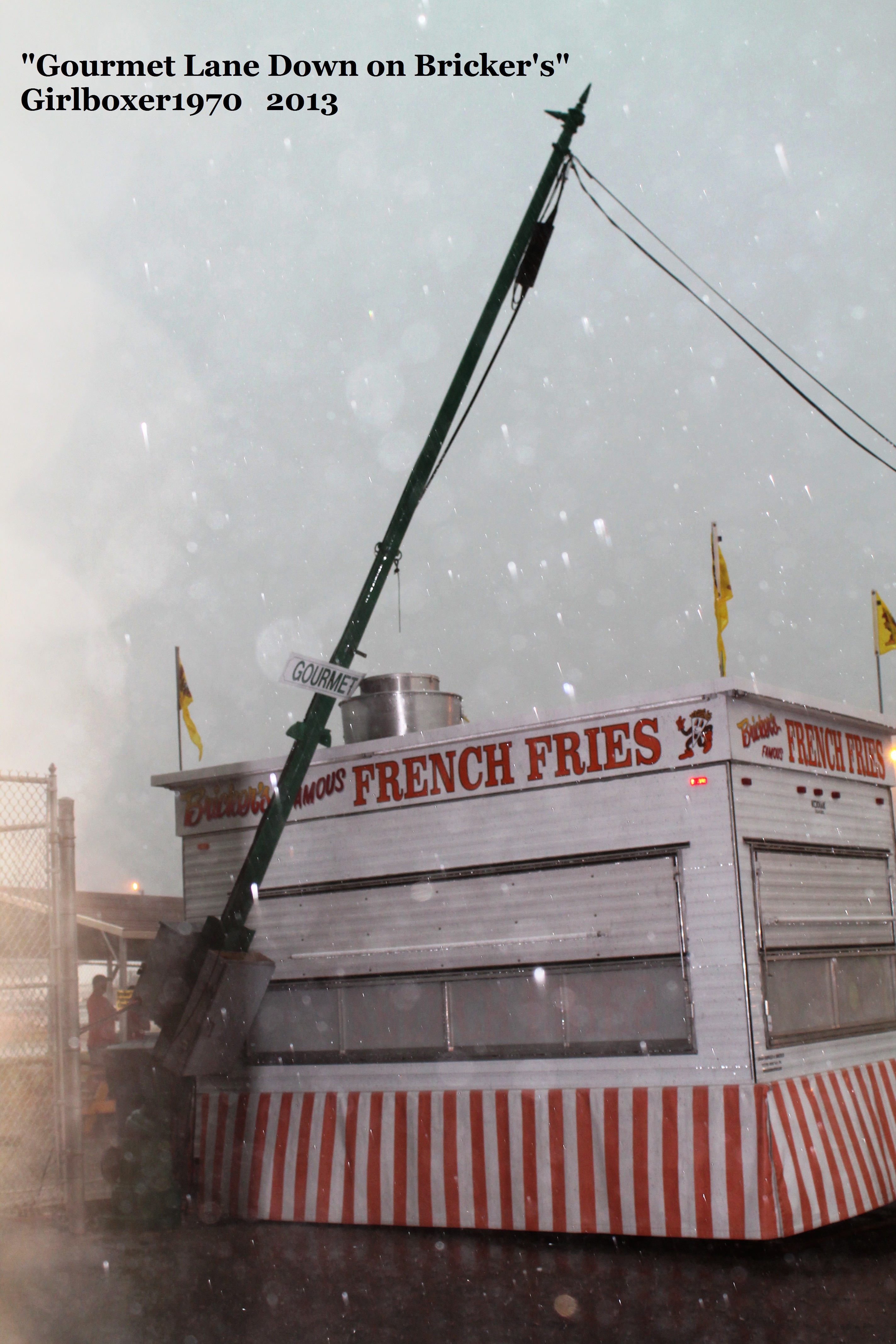
A storm was brewing at the 2013 York Fair.  I ran for shelter and found comfort photographing the animals. ImageImageImageImageImageir

ImageImage 

Image

Heather Called

I got a call while I was in Rhetorical Theory class.  John wanted to tell me that there was a meeting for the parent’s of the girls that were joining Girl Scouts.  Heck, Tesla even joining Girl Scouts was news to me, but that didn’t surprise me.

I get to the meeting and learn Heather is the Assistant Girl Scout Leader of Tesla’s troop.  That didn’t surprise me.

I filled out papers for Tesla to join.  I gave it to Heather, so she could have John sign on his line.  She told me they already filled out Tesla’s membership paper.  Good, I hope they paid the fee too.  (So much for needing both parents signature) That didn’t surprise me.

John showed up later, stopping before heading into York to play softball.  Tesla was going home with Heather.  That didn’t surprise me.

He said Tesla had a doctor appointment  at 7:45 AM to have her nose cauterized.  This was the first I heard about it.  That didn’t surprise me.

We had a verbal spat about how he is to discuss things like, Girl Scouts and doctor appointments, with me. He blew me off.  That didn’t surprise me.

Heather called me while I was developing film on campus.  She wanted to extend the olive branch and hoped I would be involved in Girl Scouts with Tesla.  That we could get along for what is best for Tesla.  That she doesn’t put herself in the business of John and I getting divorced or the ongoing battle of custody.  I didn’t agree with her opinion and that didn’t surprise me.

She went on and on about how wonder her and her ex husband’s relationship is, and that she would write letters to glorify her ex husband’s new wife and even sign over her children to the new wife, if it were necessary.  I didn’t really follow her thought process.  That didn’t surprise me.

Finally, I just told her she didn’t need to blow smoke up my ass anymore than I needed to blow smoke up hers.  (Maybe she got that, maybe not)  That, while her divorce is final, mine has not even started, and I have no other intention but to pursue the divorce to court and eventually, take custody of Tesla.  That, beyond the entire divorce and custody nightmare, I am glad that Tesla is a happy child even though she was not given the choice of where she wanted to live and that John and I will never agree, and it will always be a matter of what the court decides, until Tesla is old enough to make the decision that the law will take into consideration.  I told Heather, she can say she isn’t “part of the problem” but unless she truly butts out, like Dale does, she will always be part of this three-ring-circus and the way I deal with this circus is to write about it, and go to college.  I told her I am happy to have Girl Scout time with Tesla (since I can barely squeeze any other time out) and that I am certain we can all get along for what is best for our children.  I told her I am tired of being the last person to know anything, and that John’s behavior with screaming at me over being 15 minutes late returning Tesla after the fair was just ridiculous, considering he can’t give me any information about Tesla in the way the courts laid out.  That he claims I am irresponsible, but he instigates problems by disrespecting me in front of Tesla.  While she wouldn’t agree that John acts like a complete Ahole and thinks he is always right, we did manage to have a conversation lasting nearly sixteen minutes where neither of us screamed at the other or hung-up pissed off.

Now that surprised me.

~P.

Update: Heather text messaged me that the paper I signed was holding me responsible for any fundraiser money, not giving permission for Tesla to join the Girl Scouts.  Silly me, thinking she might need her mother’s permission to join, not just be responsible for all the money from endless fundraisers.

Visiting Mannequin Fetish.com

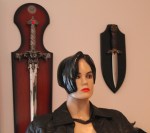
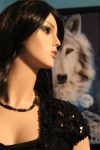
Just when I thought things were getting dull, I meet the girls at http://www.mannequinfetish.com  ~P.

I was absolutely speechless walking into this room of boots and shiny clothing!

I was absolutely speechless walking into this room of boots and shiny clothing!

Click on the first thumbnail to open the photo gallery.  Thanks for stopping by!

Ceiling light show

Ceiling lighting

Ceiling lighting

30 second exposure

30 second exposure

Why Travel to India?

Pattie Crider

G241

Questions

September 13, 2013

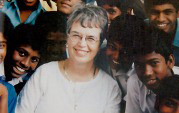
Founder of The Homes of the Indian Nation: Darlene Large

Founder of The Homes of the Indian Nation: Darlene Large

  1. I believe service learning is taking what you have learned and applying it to practical situations in life.  Helping other who are disadvantaged and can benefit from the knowledge they may not have otherwise obtained. Not that I am especially knowledgeable in the situations of Indian people, but I it can be a mutual exchange of information, educating each other rather than a one-sided teaching approach
  2. Traveling abroad for me to help and teach orphans allows for me to also “help myself” to learning about them and their country and culture.  While educating myself and furthering my writing and photography, I will feel a sense of accomplishment and feeling of self-worth in helping others, especially orphans.
  3. There is “poor in the USA” and “poor in India.”  The two have little in common.  Few Americans truly understand the concept of being poor.  Poor to us means less material items and perhaps a lower food quality.  Poor in India means the possibility of death due to lack proper healthcare and nutrition. Poor is a word that refers to one’s wealth.  My view is it doesn’t take money to be happy but the needs for adequate existence of life may revolve around who has wealth and who does not.
  4. Globalization was once a slow-moving force of integrating world-wide view, ideas, politics, religion and other aspects of culture.  Now with the invention of the Internet, globalization is now taking place at a high rate of speed, connecting most areas of the world that are not in total seclusion.
  5. I am very interested in Hinduism.  The traditions, followers, ceremonies and history of Hinduism especially the meaning of Karma to India natives versus the Western understanding.  Also, I am interested in NGO’s and their ability to sustain their non-profit work through the use of rhetorical theory, appealing to people to support the children who are taken in at the HOINA orphanage.

Authorship in media writing

Media has the ability to make life more real.  The user of media, whether creating or reading what others have created, engages in a relationship with others.  This can be in a variety of ways, from internet use, cell phones, television, radio and text.  The common denominator is all information shared  has an author and at times, depending on the format a multitude of authors.  This shift in the ownership of a created piece of work that becomes accessible to others on a worldwide level is what makes life and media work hand in hand.

                Information accessed on the Internet is often intentionally (or unintentionally) tied to clickable links, allowing the consumer to instantly gather possibly more information than ever intended.  All information, though it may seem to just linger out there, unclaimed by any single person, is traceable back to it point of origin.  Manovich wrote that new media created new models of authorship which involve multiple forms of collaboration in order to present a finished product.  This seemed to imply that very little circulating on the Internet is original work.  From one aspect, that is true.  The work has been changed here and there, in virtual reality, but still, one person had to have set this into motion.  The remixing, sampling and open source projects all started somewhere, but have been art of some type mashed together with other art.  This probably started with the Dada’s and their desire to shake-up people’s view on how art is created.  The Dada’s concept of “found objects” recycled into a new art is an easy parallel to what remixing and sampling are in the humanities of the 21st Century.

                Diakopoulos’s graphs in the Remix Culture paper depicted the original “book” type of authorship represented as person to media to person, ie: writer makes literary work and it is read by a consumer.  I understand his four figures shown in the reading, but I think there is one more that could be represented.  Sharing on the Internet means a literary work has been produced and released worldwide.  Again, I envision this as a ray, in a scientific aspect.  The writer creates a starting point and shares it with millions of people at once.  Those reading this static work (written, photo or video) and shares it on their chosen media outlet (Facebook, Twitter, Reddit, Google+, etc.) and it just keeps expanding exponentially with no end.  The author will always remain the author.  Ideally, no one should be making changes to a piece of work that is not intended to be part of an open source or remix process. 

I find the art of remixing, sampling and meme extremely enjoyable.  Photoshop and Microsoft Video have made this simple to do.  The process of making these sampled works often involves using what others have already created.  I do this sampling to learn the writing process, especially that of classic rhetors.  I even practice speaking in a rhetorical manner and find that it does affect those I am addressing.  Language and everything associated with language can be used in current times to create works that will cause a reaction or evoke an emotion.  After Miley Cyrus danced on stage with a foam finger, twerking at the music awards, I created a meme of her and Thicke onstage with Thicke’s head removed and Beetlejuice’s head replaced.  In quotes, I wrote “Oh Miley, you’re my #1 too!”  Yes, the photo was taken from the MTV website, but the idea and meme creation stemming from the frame frozen in the video, was mine.  To make this claim, I simply added Girlboxer1970.com to the photo-shopped picture.  To my audience, they realize I didn’t take the photo, I just put my “twist” on the entire performance that honestly disgusted me, yet like a train-wreck, I couldn’t look away.  That is how I want consumers to view my writing, photography and videos.  I’m fine with being a train-wreck as long as my audience continues to return and I don’t get charged for altering Thicke’s head into Beetlejuice.

9/11 a Tragic Day

9_11_sign

Several tragic events happening on September 9th have touched my life.

  • The terrorist take-over and the events that unfolded in 2001 will forever be in the memory of all.  God Bless those that lost their lives, their families, co-workers and friends.
  • The electrical fire in 2011 that caused my friend and neighbor’s home to burn to the ground.  Thank God they weren’t home and no one was injured.  A new home, bigger and better was built to replace their destroyed mobile home.
  • Going back to a period of time between those tragic moments, I met the father of my daughter in 2004.  I am torn on an adjective to describe that event.  Perhaps fateful.

And now, in 2013, I celebrate a small victory of personal consequence.  After five years of medically supporting my brain to process and handle the depression I suffered from, I am now anti-depressant free.

Ironically, the need for anti-depressant medication was necessary due to that fateful meeting nine years ago. Go figure.

A stigmata is attached to people who are prescribed medication to adjust the levels of stuff in their brain that keeps them feeling that the weight of life will not crush them into a deflated pile of human rubble. The stigmata attached to depression could be that one is: crazy, lazy, stupid, weird, needy, sad, suicidal, etc.  Don’t fall for the misconceptions quickly associated with depression.

Life is deep and feels like it will suck you down in a dark hole with no way to pull yourself out. People pass by and see you there suffering, but they can’t help you.  You have to want to help yourself.  Not in just finding and sticking to a medication that works for your symptoms, but to also seek a form of counseling or therapy.

Talking things out with a stranger qualified to listen and understand what your words mean, makes the process of healing the wounds on the inside much easier to achieve. I know, because I’ve been there. I went to counseling for four years, and it was time well spent.

There are many more days in my life to enjoy and explore. I welcome each day with open arms because nothing can bring me down again.

Nothing.

~P.

Cannibal Delight

blood

Cannibals Only–Zombies eat anyone.

Thank you my dear friend David Brillhart https://www.facebook.com/dbrillhart1, for allowing me to subject your arm and nose to blood, chicken and beef livers.  You are one cool dude.  Do you still smell blood?  I do!  ~P.

Click the first thumbnail to open the photo gallery.  Thanks for stopping by and be glad this isn’t smellevision. 😉

Plato~It is all in the truth of those crazy peoples

Pattie Crider

WRT 305

Response 4

September 11, 2013


He loved the cray cray peeps.

He loved the cray cray peeps.

True Rhetoric and the Characteristics According to Plato

            Plato believed that true rhetoric was more than verbally exchanging thoughts and ideas to hash out a particular human discourse. It was not an art to use for self-promotion or to seek praise of others. Plato believed true rhetoric advanced students in knowledge, not just flattered them with false praise.

The main characteristic of rhetoric based on Plato’s writings would be truth.  Plato believed humans could achieve absolute knowledge and that rhetoric could assist in this achievement. Those who shared good rhetoric were believed to be touched by a higher power, whether a god, goddess or God. This “madness” was divine inspiration and only achievable by those moved by a higher power.  All of this truthfulness was based on the love the speaker had for the higher power, a platonic relationship, one that can never sour.

Plato’s interest was not in producing politicians through his teaching, but elevating those worthy of having love for true rhetoric, that inspired by God.  This fascinates me because I often wonder if an orator would come forward (or anyone, for that matter) and declare to have knowledge directly from the God, would anyone believe such to be true? Most likely the person would be declared insane and scorned for his love of God and attempt to share what he has learned as truth.

Phaedrus and Socrates’ dialogue within the text allows me to believe that people did in fact, speak publicly, guided by God.  People were speaking, whether divinely inspired or driven by money, and others were listening. I wonder what has changed that makes those in love with God and speaking only to promote the truth, be viewed differently now than through-out history. Has society hardened to the point that no one dares believe a man (or woman) could be possessed by a higher power and inspired to share the truth with those who will never reach such success? My personal answer is yes. Plato would say those who know true rhetoric–good rhetoric–will recognize the soul is immortal and in doing so, achieve absolute knowledge.

My absolute knowledge, is more than questionable. 😉 ~P.