Revenge of the Drones

By Cora Harmon

Image

Children are dying at the hands of the United States military. According to the Pakistani Report, from 2006 until 2009, unmanned aerial vehicles, also known as drones, have been reported to have killed as many as 100 children. These drones have been proven very useful to the U.S. Military. The drones are able to give long term surveillance and are able to locate specific targets. In this report, the children allegedly died in a single air strike on a religious school. The Bureau of Investigative Journalism said some information from the Pakistani Report came from paid and local Pakistani officials and may not be verified. U.S. officials argued that Pakistani information is unsubstantiated and they lack credible sources of information.

A U.S. government official said, “The notion that the United States has undertaken operations in Pakistan that resulted in the deaths of hundreds of innocent Pakistanis is ludicrous.”

However, in the early 2000s the U.S. government admitted to accidentally killing civilians using the drones. They reported that about 50 civilians were killed while the BIJ reported almost 400 civilians being killed, of that 168 were children. U.S. officials are questioning those reports and trying to figure out who is giving out this information. Two years ago, the U.S. reported that American drones had killed over 2,000 terrorists.

White House Press Secretary, Jay Carney, defends the drone program saying that these attacks are meant to prevent terrorist attacks and to save the lives of the American people. Carney also says that the use of these drones is ethical and legal; the U.S. needs protection and drones are the appropriate corrective measure.

Rhetoric in Christian Theology

jesus-facepalm1

Pattie Crider

WRT 305

Article Reviews

October 28, 2013


Perfomativity and Persuasion in the Hebrew Book of Psalms: A Rhetorical Analysis of Psalms 116 and 22

            This journal article focused on oral poetry as hymns of praise used to foster social and cultural cohesiveness within a community. Psalms are treated as a speaker enacting the role of a king or prayer leader in effort to persuade God to take action, in other words, an appeal to God for action through prose. Great historical figures were celebrated for arguing with God as the persuasion is determined by the hearer, not the speaker, and the Psalms were found to be effective as a poetic appeal.

The purpose of reciting Psalms was to praise God and to testify to the continued faithfulness in him. They were also a public declaration of giving thanks and fulfilling one’s vow of faith and as a testimony to the purity of one’s motives and attitude with God as the primary audience. Psalms were designed to persuade the speaker as well, and place them in the right frame of mind to call out to God in prose from anywhere repeating as to reaffirm oneself in faith. This was also a proclamation of trust in God, as God will attend to those who have been humiliated, deprived or casted down in society.

The journal places importance of continued praise to God through Psalms for future generations as God responds to the faithful. The praising clearly draws on the appeals to ethos, pathos and logos. Psalms fosters social and cultural cohesiveness within a community and God will enter into conversation with the lowliest of individuals, allowing the angriest or most traumatized of people to be capable of praise.


Religious Reasons for Campbell’s View of Emotional Appeals in Philosophy of Rhetoric

            This journal article focused on the use of emotional appeals in preaching. Saint Augustine used emotional appeals to cure disorder while John Locke believed they created disorder by moving a crowd to tears. George Campbell focused on emotional appeals in preaching and in scriptural interpretation. Campbell prepared future ministers to preach and defend the authority of revealed religion while addressing key assumptions about reason and passion. He believed religion is an appropriate situation to use emotional appeals as emotion is a central feature of religion.

Campbell stated the separation of emotional appeals from logical appeals was important because emotional appeals are considered weak, can warp judgment and are the equivalent of verbal force while appeals to logic are based on knowledge and found to be more effective. The purpose of a sermon and the expected audience should be used to determine if there is use of an emotional appeal. For example, to advocate certain doctrines, move a congregation to do what they know they should be doing, and to convert non-believers. Campbell advocates a warm, gentle persuasion, but supports the use of fear if necessary.

Zealous preaching in the grand style may cause a difference in opinion in the congregation and breed division, therefore, a sound mind and gentle delivery is ideal, rather than a frantic or disorganized delivery. Campbell stated arrogance of fanaticism should be avoided and preaching should encourage the promotion of unity. Preachers must be able to execute their own plans with a careful blend of emotional and logical appeals to universally reach their audience. The main interest should be maintaining order and managing uncertainty. Reason and passion are inseparable and must be used in the correct balance to achieve the desired emotions of one’s congregation.


Truthing it in Love”: Henry Ward Beecher’s Homiletic Theories of Truth, Beauty, Love and The Christian Faith

            This journal article focused on Henry Ward Beecher, a 19th century pastor in Brooklyn at the Plymouth Church. Beecher wrote from the style of contemporary political appeals of social values and the notion of American homiletic theology. He believes the tropes of traditional Christian evangelism are alien in modern day. Rather, influences and religious beliefs of the preacher must access an audience through contemporary experiences of the world and link it to an experience with a higher power. Beecher believed one must not argue the gospels but set the gospels in a lived experience so the truth will be acknowledged by the congregation.

Beecher’s new theory of preaching declared its goal to be a fundamental transformation of the listeners. A divinely inspired experience linked to logos and pathos referred to as the “Doctrine of Love”. This divine taste should result in changes to the listeners conduct because it should alter the character of its possessor as a cooperative project between the preacher and the convert. Emphasis is based on love-truth, a truth based pathos, against the traditional logos oriented knowledge of other preachers. A truthful appeal to the congregation, rather than preaching based on the learned knowledge of the pastor.

Beecher considers love, truth and knowledge and the nature of true Christians in his concept of preaching, relying heavily on emotional versions of truth to provide rhetorical theory to overcome the rationalist and doctrinal limitations of American religious discourse. Early Puritans believed reason and natural science served to bolster the understanding of religion and to help bring one to faith. Sermons were organized to appeal to the rational faculties and preachers used a plain style of speech. The audience was expected to listen carefully and analyze the spoken words. These appeals of the “heart” combined intellectual abilities and emotional senses of the congregation.  The use of fear to gain adherence was to be avoided. Rather, a preacher should strive to move an audience to experience and internalize the beauty of Christ’s life, live by his example and feel Christ in their heart, not just know the doctrines in their mind.

Beecher focused on the natural, sinful human condition and their needs and interests in order to move the congregation toward being better humans. His task was to arouse the audience, build their moral condition and continue building until he has completed them as a whole; a “reconstructed manhood” generating a noble idea of how people ought to live and ought to be. Beecher believed he must build up humanity to live up to its God-given potential and make religion attractive, like it was to that of the disciples. He desired to allow the audience to feel Christ’s love, to improve their character by helping them understand their lives, sympathizing with their plights, loving them in Christ, modeling their lives after Christ, and inspiring them to live their faith daily.

The “fire and brimstone” preaching was found to be a sad perversion of the function of imagination to Beecher and he was absolute that Christ must be within the preacher in order to build up the ability of the congregation to appreciate the meaning of Christ through the act of love-truthing. It is the illustration of God’s love and beauty through the preacher that is the fundamental basis of Christian thought and preaching, transforming Christians in the way that believers knew the world and had experienced the manifestation of God’s love. Beecher wanted his audience to have a heart so alive and able to sympathize, that they could relate to everything on the globe and have the power to enjoy this emotion. This sense allowed all to feel included in the love of Christ and in Christian ministry.

Preaching Christianity is not about propositions or sets of rules, but about understanding and expressing God’s love in action. It is based on hope, not fear and Beecher wanted to give all preachers the tools to inspire their listeners to believe in God so they could experience first-hand the beauty and the love-truth of God in the world and in the people around them. This, according to Beecher, is the possibility of rhetoric in theology.


Works Cited

Charney, Davida H. “Performativity and Persuasion in the Hebrew Book of Psalms: A Rhetorical Analysis of Psalms 116 and 22.” Rhetoric Society Quarterly. June 2010:          247-268. Print.

Manolescu, Beth I. “Religious Reasons for Campbell’s View of Emotional Appeals in Philosophy   of Rhetoric.” Rhetoric Society Quarterly. Apr. 2007: 159-180. Print.

Souders, Michael. “Truthing it in Love”: Henry Ward Beecher’s Homiletic Theories of Truth,        Beauty, Love, and the Christian Faith.” Rhetoric Society Quarterly. Sept.          2011: 316-339.        Print.

I’ll give you a ride

KARMA BUS

Last Tuesday, Dale and I picked up my son Jarrid from work and headed to The Glad Crab.  Jarrid and I had a pitcher of beer between us. Dale and Jarrid shot a game of pool then Jarrid and I took a turn.  This was the first time my son and I went out for a drink and the first time we shot a game of pool. I beat him when he dropped the eight ball ahead of schedule.  I’ll take that win. 😉 We split that dive and headed to Frank’s Theater to see Machete Kills.

I was feeling pretty good…and a bit loud as we entered the theater. I saw a dude with a mohawk and I I yelled, “Dude!  Nice mohawk” as I waved my hand over my head imagining that I too had a mohawk. He grinned and said, “thanks!” and I said, “no problem!”

Jarrid turned to me and said, “you don’t drink much do you?”

“Pretty obvious huh?” I replied.

“Very” he answered.

I was impressed they had a bar in the theater, but I saw no reason to give myself a hangover.

The theater was nearly empty. How do they make money?!

As the previews finished up and the piracy warning came on the screen I had the urge to read it out loud. This greatly embarrassed Jarrid for some reason, and I felt satisfied in creating that embarrassment. My opportunity to make up for all the times he embarrassed me in public as a child.

The movie was pretty cool. Lots of familiar faces and Lady Gaga half dressed to boot. I got a kick out of her part. After the movie I hit the head and Jarrid went outside to smoke a cigarette.

When Dale and I joined Jarrid outside, he was talking to a young, black girl.  She asked to borrow his phone and was trying to reach someone to pick her up. She said her friends must have left thinking she had found a ride after work when actually, she was mopping the floor.  No one answered her call.

I felt bad for her and said, “I’ll give you a ride home.”

Jarrid and her both said, “really?” at the same time and I laughed.

“Yes really. Where do you live?”

She lived in an apartment by Penn Park and that sealed the deal.  There was no way I was letting this girl try to walk home after midnight.

We piled into my car and she began to sneeze at the sight of Ying. The dog with no hair was causing her allergies to act up. Well, things can’t be perfect, I suppose.

Lucky for her that was the worst of the situation. Three white folk and a hairless dog….but a safe ride home.

Go out of your way to help someone in need.  Pay it forward and perhaps the karma bus will break when she barrels down your street.

~P.

39th Annual Oyster Festival York PA

OysterFestivalHeaderDesignwithtag

Today was a day full of York heritage and the funky smell of oysters. Dale and I took Tesla, Blaine and Andrew to the Agricultural and Industrial Museum to celebrate the amazing heritage here in York County. The museum is huge and today, it was crowded but we managed our way around to check out as much as possible.  We also tasted the oyster sandwiches, macaroni & cheese, pulled pork sandwiches and many of the homemade sweets.

Icemaker

Icemaker

Spring Garden Township Firetruck

Spring Garden Township Firetruck

Oyster Festival 006

Oyster Festival 017

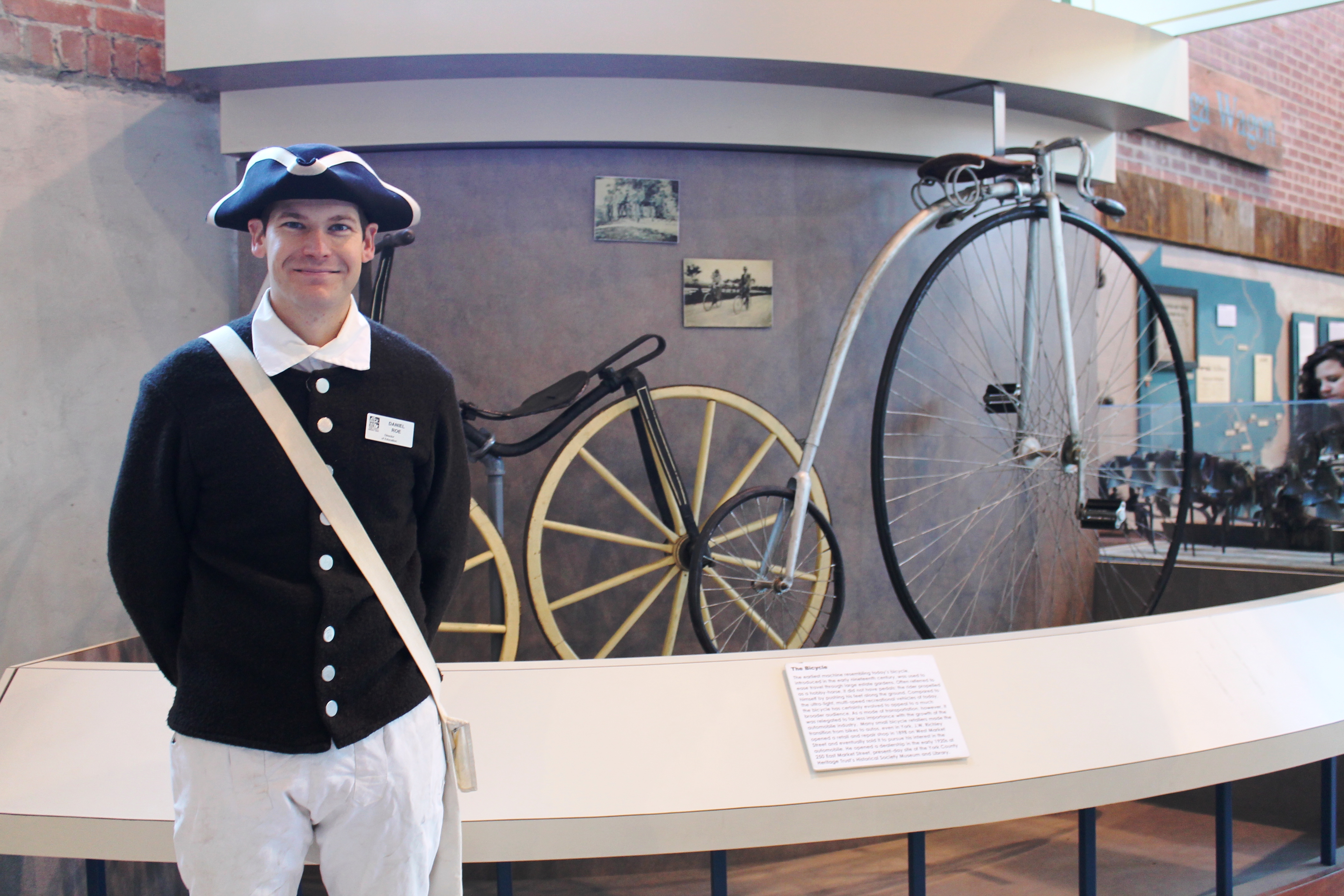
These bikes do not look comfortable.

These bikes do not look comfortable.

Oyster Festival 026 Oyster Festival 027 Oyster Festival 031 Oyster Festival 032 Oyster Festival 034

The kids LOVED this old truck.

The kids LOVED this old truck.

Oyster Festival 038

Pfaltzgraff Pottery

Pfaltzgraff Pottery

Oyster Festival 042 Oyster Festival 043 Oyster Festival 046Oyster Festival 044

Trolley donated by Dover Township

Trolley donated by Dover Township

Oyster Festival 047

American Indian dancing and music

American Indian dancing and music

Oyster Festival 060 Oyster Festival 061 Oyster Festival 064

Frank Little Bear

Frank Little Bear

Oyster Festival 070 Oyster Festival 072 Oyster Festival 075 Oyster Festival 077

Joining in the dancing!

Joining in the dancing!

Oyster Festival 085 Oyster Festival 093

Hawk foot in head dress

Hawk foot in head dress

Oyster Festival 056

Mt Joy Flour

Mt Joy Flour

Oyster Festival 104 Oyster Festival 105

Water wheel for the mill

Water wheel for the mill

Warner Dairy

Warner Dairy

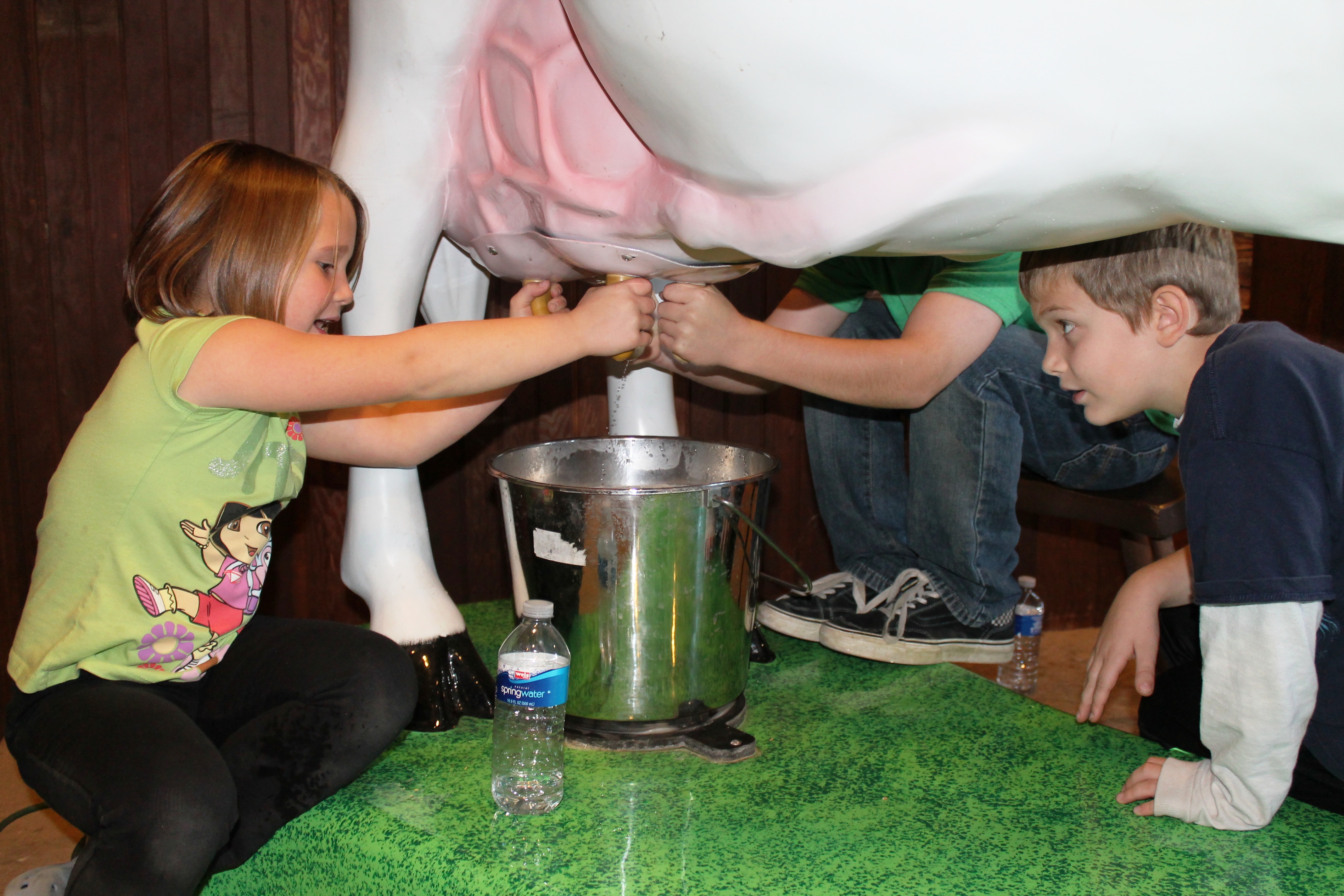
cow milking time!

cow milking time!

Oyster Festival 119

Utz chips

Utz chips

cool cows

cool cows

bizarre painting at the meat grinders

bizarre painting at the meat grinders

Stauffer's Biscuits

Stauffer’s Biscuits

Oyster Festival 128

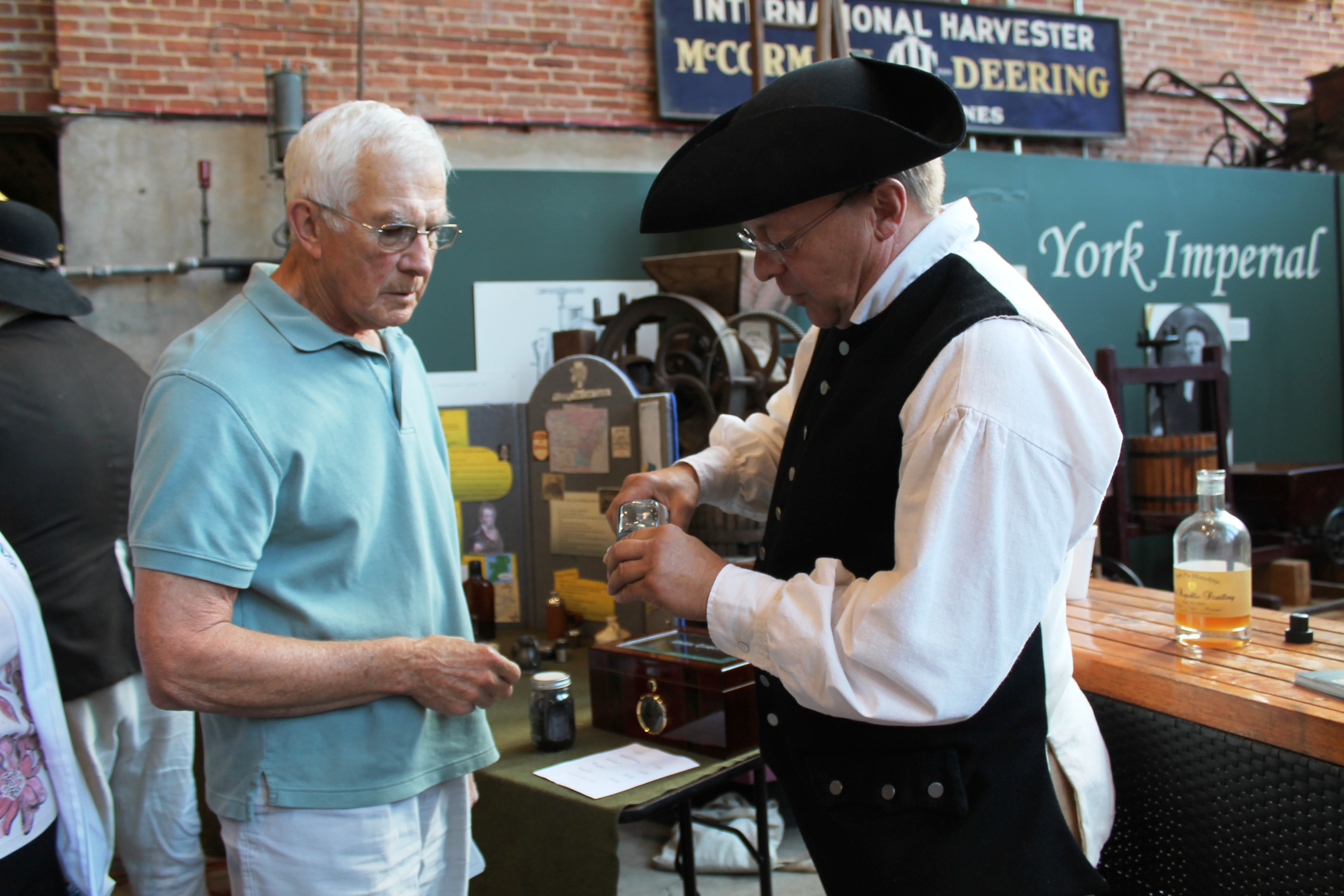
Taste testing!

Taste testing!

Cigar factories were plentiful in York, PA

Cigar factories were plentiful in York, PA

Type set

Type set

York Daily Record print plate

York Daily Record print plate

loose type set

loose type set

vintage printing press

vintage printing press

Oyster Festival 144

hard work but cool print

hard work but cool print

Before cellphones

Before cellphones

Dentist's Supply York PA

Dentist’s Supply York PA

Oyster Festival 148 Oyster Festival 149

In the courtyard

In the courtyard

Oyster Festival 156

Reddy Kilowatt

Reddy Kilowatt

We had a great afternoon and learned a good deal about the agricultural and industrial businesses of York. I had no idea oysters were so popular in York! ~P.

York County Facebook groups remember when – The York Daily Record

Getting the word out about Dover, PA’s Facebook Page!

York County Facebook groups remember when – The York Daily Record.

The passion of one woman’s social concern

Francis Bacon’s Advancement of Learning applied to Margaret Fell’s Women’s Speaking Justified.

Francis Liked Bacon

Francis Liked Bacon

Pattie Crider

WRT 305

Response 15

October 16, 2013


The passion of one woman’s social concern


            Bacon’s ideology was that scientific discourse is a technical treatment of truth and rhetoric links knowledge to social concerns. Bacon stated that applying reason to imagination would be successful to move the will of the hearer and with that ability involved great responsibility. Fell, an outspoken woman of her time, believed that she was a prophet of God and raised the concern that women were afraid to speak in fear of male retaliation.

As Bacon had stated, bringing the knowledge of social concerns (such as this genuine fear of speaking by women) was important and that the person bringing forth such affection and imagination for the future must be responsible for their actions. The message Fell wished to bring to light (that of women’s rights) was done with great affection as it was important to her specifically.  Her ideas were supported in Bacon’s theory in that those following this strong-minded woman could reason the importance of feminine thought for the future.

Fell was possibly the first to seriously question the rejection of women’s roles in the church. Her affection to this cause was brought forward in their present time and her rhetoric involving Biblical text detailed the roles of woman therein. She passionately stood her ground in support that women not only have the right to speak and be involved but to also be a leader in teaching God’s word. It took a strong woman to speak what would eventually become accepted in the future. It was this passion and reasoning that moved the imagination of other’s will to accept women in the leadership roles they hold in churches today.

Ramus the Radical

Pattie Crider

WRT 305

Response 14

October 11, 2013

Ramus the Radical

Ramus was intent on separating philosophy and rhetoric and redefining rhetoric as a whole. His method of arguing was rather harsh as he called out Quintilian. I was particularly struck by his argument about the morality of rhetors and basically stating that one did not have to be of high ethics to speak rhetorically. This was the complete opposite of what we have been learning, but a more honest approach.

Perhaps Ramus, with his graphic representations, was onto something, other than bashing other rhetors. Ramus came from a lowly background and had to work as a servant to the wealthy kids in college as he earned his degree.  Maybe this made him a little bitter. No matter the reason, he believed that rhetoric consisted of only style and delivery and morality had nothing to do with the process. Even if Ramus was incredibly rude and was eventually murdered, I have to agree with him. The morality of a person really has nothing to do with their ability to teach.

Ramus didn’t believe the skills taught at college would prepare students for using rhetoric after graduation. He wanted rhetoric and logic separated and more focus placed on effective language, even language other than Latin. He also recognized the importance of language being recorded and happily sent his work off to be printed. His focus on dialectic dealt with reason and grammar while rhetoric dealt with speech and was split between style and delivery.

Basically, Ramus broke away from the 5 canons and developed his own concept, breaking the rules that had been written in the past. This rule breaking and rudeness is what most likely cost him his life but he was alive long enough to make his ideology known.

Of Conversation

A contemporary look at how women might converse online as a group in comparison to the rhetoric of Madeliene de Scudery in the 17th Century.

Response 16

Women Messaging as a Group 

Tina: Finally, chat time with my peeps! I struggled through a weekend visit of the in-laws. They are so opinionated and they only find faults my attempts to please them.

Lucy: Oh girl, I hear that! I dread visits from my hubby’s family. My father-in-law is an ass-chasing piece of work.

Lisa: Last time my in-laws visited, I seriously considered poisoning their food but was afraid one of the kids might eat off their plate.

Tina: LOL @Lisa.  That is just wrong!

Lucy: Baahahaha, but we’ve all had those poisoning fantasies, especially at holiday meals. I feel like my father-in-law is constantly leering at me.

Lisa: A slow poisoning would be ideal.  Make them suffer for a few hours, so I can enjoy it.

Tina: Remind me to never piss you off Lisa.

Lisa: I would never poison anyone but I can fantasize. My father-in-law is a defense lawyer and his dinner stories make me sick.  He represents these scumbags, knowing they are guilty but happy to take their money.

Lucy: Oh, that is terrible. I’ve never liked lawyers so I’m sure I wouldn’t like your father-in-law. He doesn’t look at you like a piece of meat does he?

Lisa: No, thank God. I think he might be a closet case to be honest. His wife is beautiful, but he shows no interest in her.  She is always boo-hooing to me that they don’t have sex and all he wants to do is hang at that new “men’s only” gym.

Tina: OMG, you mother-in-law talks sex with you? Eeeeek!

Lucy: Maybe he has a secret lover at the gym! A work-out buddy, know what I mean?!

Lisa: Stop it…you’re both making me feel sick to my stomach! I’m just glad they only visit every few months.

Tina: Consider yourself lucky. Mine are over nearly every weekend.

Lucy: If I had to wear pants and a turtleneck every weekend just to keep my father-in-laws eyes off my ass and boobs I would lose it. I’ve even mentioned to my husband that his dad is ogling me and he says it’s all in my head.

Lisa: What a jerk! How can’t he notice?

Lucy: Probably because his eyes are too focused on whatever football game is on the tv.

Tina: Men! We only need them to make babies, after that I wonder what good they are.

Lisa: They certainly aren’t any good for conversation. If Rick utters three words during dinner it’s a miracle. I’m surprised he breathes between stuffing bites of food into his mouth.

Tina: Does he chew with his mouth open?

Lisa: Yes!  How did you know?

Tina: Cause that’s when he breathes.

Lucy: ROFLMAO

Lisa: Toooooo funny Tina…and probably true. It was good chatting with yous, I gotta go do the dishes.

Tina: Ok hon, you have fun with that.  Wash them in your skivvies while you can.

Lisa: My luck, the pervert would show up and just walk in, catching me in the act of washing dishes in Victoria’s Secrets.

Lucy: You two crack me up.  Chat with you later!  Oxox

Tina: Wear footie pj’s and you’ll never have to worry.

Lisa: That’s not a bad idea.  I can’t think of anything less sexy! Good night ladies!

Tina: Good nite luvs!


Paul Baughman Benefit

On Easter morning 2013, Paul had climbed a ladder to change the scarf to white on the cross outside of New Bethel UM Church and fell. He seriously injured his shoulder and needed surgery and physical therapy following the accident.  Because Paul is a self-employed he did not qualify for unemployment. He quickly fell behind on his financial obligations. His church sponsored a fundraiser, held today, to help him and his wife, Hope, with their financial situation.

Paul has regained most of the movement in his shoulder and is slowly getting back to work. God bless him and all those who came out today to stand and support their brother in Christ.

The benefit was held at the Warrington Township Municipal Park in Rossville, PA.

Special guest performances was provided by The Dietrich Brothers, Walt Crider and the Old Time Way, and Donna Jean Foster.

Vegetable soup, chicken corn soup, chili, hot dogs and a never ending array of deserts were sold all day.

Also held were 50/50 raffles and several auctions of donated items.

If you would like to help Paul & Hope in this time of need, donations may be mailed to New Bethel UM Church, 1485 Kunkle’s Mill Road. Lewisberry, PA 17339. A letter of acknowledgement will be sent for your donation.

Paul Baughman

Paul Baughman

The Dietrich Brothers

The Dietrich Brothers

Walt Crider and the Old Time Way

Walt Crider and the Old Time Way


Walt Crider

Walt Crider

Donna Jean Foster

Donna Jean Foster

An audience member joins in

An audience member joins in

Hope Baughman

Hope Baughman

047

Walt & Paul

060

Walt, Faye & Pud

065

Drawing for prizes

052 053 054 055

058

062

Crocks while riding a motorcycle?!

Crocs while riding a motorcycle?!


Dover Blacksmith Shop

Today was the last opportunity until next year to see Eli Nikkanen demonstrate blacksmith skills at the Dover Blacksmith Shop on Butter Road.  I happened to see the sign indicating the shop was open so we stopped by to check it out.  Dale, Susan and I were fascinated by all the history in that little shop!

Eli Nikkanen

Eli Nikkanen

003 004

005

Property Marker 1786 John Kniselley & Mary, His Wife July 28 one thousand seven hundred and eighty six

Property Marker
1786 John Kniselley & Mary, His Wife
July 28 one thousand seven hundred and eighty six

Everything is made of iron...even the eggs and bacon.  LOVE IT!!

Everything is made of iron…even the eggs and bacon. LOVE IT!!

Contributors for moving the blacksmith shop to Ketterman Park

Contributors for moving the blacksmith shop to Ketterman Park

011

Randy Worley (local joker)

Randy Worley (local joker)

Blacksmith's Shop before it was moved to Ketterman Park

Blacksmith’s Shop before it was moved to Ketterman Park