Who is Kafka and Why did John Updike write a Forward?

Kafka was a self-loathing lawyer who hated everything he wrote and was trapped in a profession he liked to mock.  Yes, that does sound like the traits of a superb writer now, doesn’t it?  John Updike and I both agree. 😉

Franz Kafka was born in 1883 and was a lawyer by profession.  He also was a closet writer.  Prior to his death in 1924 he ordered his ex-wives, mother, and his page to destroy all copies of his writing.  Lucky for us, only a few ex-wives followed his instructions.  His mother and page destroyed nothing and Kafka’s work was translated so that all can read what this amazing writer wanted to desperately destroy.

Perhaps my favorite essay that was saved was written to his father, a letter that Kafka gave to his mother.  It is titled, “Letter to His Father” and was written in 1919. His father never read the letter because Kafka knew it would just kick up a shit storm in the house.  Kafka lived at home his entire life, never obtaining the love he needed from his father.  I hear ya Kafka, but I moved out.

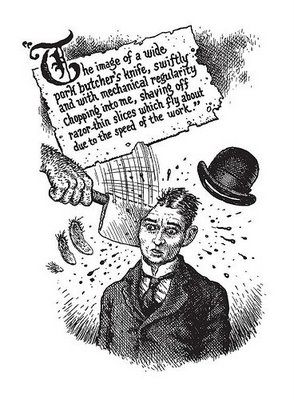
Kafka writes with tenderness and humor in a graphic manner.  It doesn’t surprise me that his writing were eventual put into a comic book format.  That textbook is my personal favorite since starting college in 2010.  Kafka lives feeling nearly worthless, imagining horrific ways in which he could die.  Die by bizarre coincidence, not by suicide.  His death was due to tuberculosis while confined to a sanatorium.  He died a month short of turning forty-one.

Kafka's envisioned injury by a butcher's cleaver.

Kafka’s envisioned death by a butcher’s cleaver.

His final message to a friend was “five books and one short story are all that can stand” as works that he would want to remain after his death.  He still felt they weren’t particularly special and didn’t feel they should be “reprinted and handed down to posterity.”  Another request of Kafka’s that was ignored.  Later, his friends came forward with manuscripts they had written based on conversations with Kafka.  Those sneaky friends did us a huge favor.

Some of Kafka’s manuscripts were still being written.  The unfinished stories are not found as incomplete as the opening, body and climax, had been reached.  Kafka’s essays often delved into his on psycho analysis.  He wrote of his life feeling unloved by his father, feeling helpless, and depressed.  Often his stories revolved around a creature or bug as the main character as Kafka worked through his own feelings of self-worth.  A writer corresponded with Kafka’s friend who was writing manuscripts behind Kafka’s back.  The letter to Brod, Kafka’s friend, stated, “Franz can not live. Franz doe not have the capacity for living.  He is like a naked man among a multitude who are dressed.”  Franz really didn’t like himself and knew he would never live up to the standards expected of him.  His father’s indifference to his son scarred Kafka until his death.

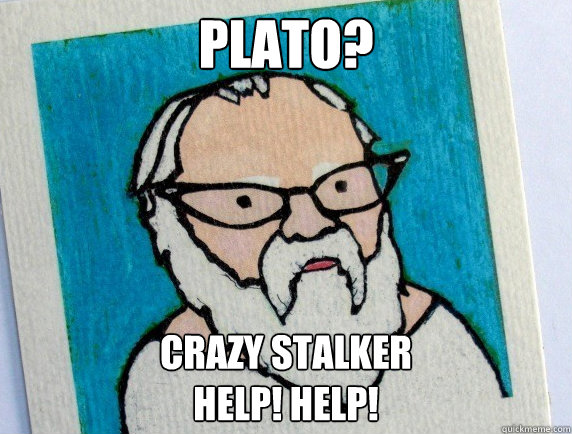
Franz Kafka

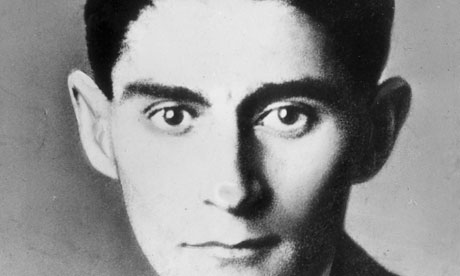
Franz Kafka

A line in the final section of the forward struck a key with me.  “Fantasy, for Kafka even more than for most writers of fiction, was the way out of his skin, so he could get back in.”  That resounds with me because even with writing nonfiction, it allows me to exit and write in the first person, only to climb back in and resume life as it happens.

Works cited:

Franz Kafka. The Complete Stories

David Mairowitz and Robert Crumb Introducing Kafka

Indian Echo Caverns Pennsylvania

For nineteen years (1802–1821) the caverns were the home of William Wilson, known as the Pennsylvania Hermit. Wilson withdrew from society after his failure to halt the execution of his sister WElizabeth for the murder of her twin sons. Following her death in Chester, Pennsylvania in 1786, William wandered westward across southeastern Pennsylvania, settling in the caverns in 1802. The Sweets of Solitude: Instructions to Mankind How They May Be Happy in a Miserable World, an essay supposedly written by Wilson during his time in the caverns, was published following his death. (Wiki)

Indian Echo Caverns 228


Directly underneath

Indian Echo Caverns 229

A sketch from William's diary, sad that he did not reach his sister with the pardon in time.

A sketch from William’s diary, sad that he did not reach his sister with the pardon in time.

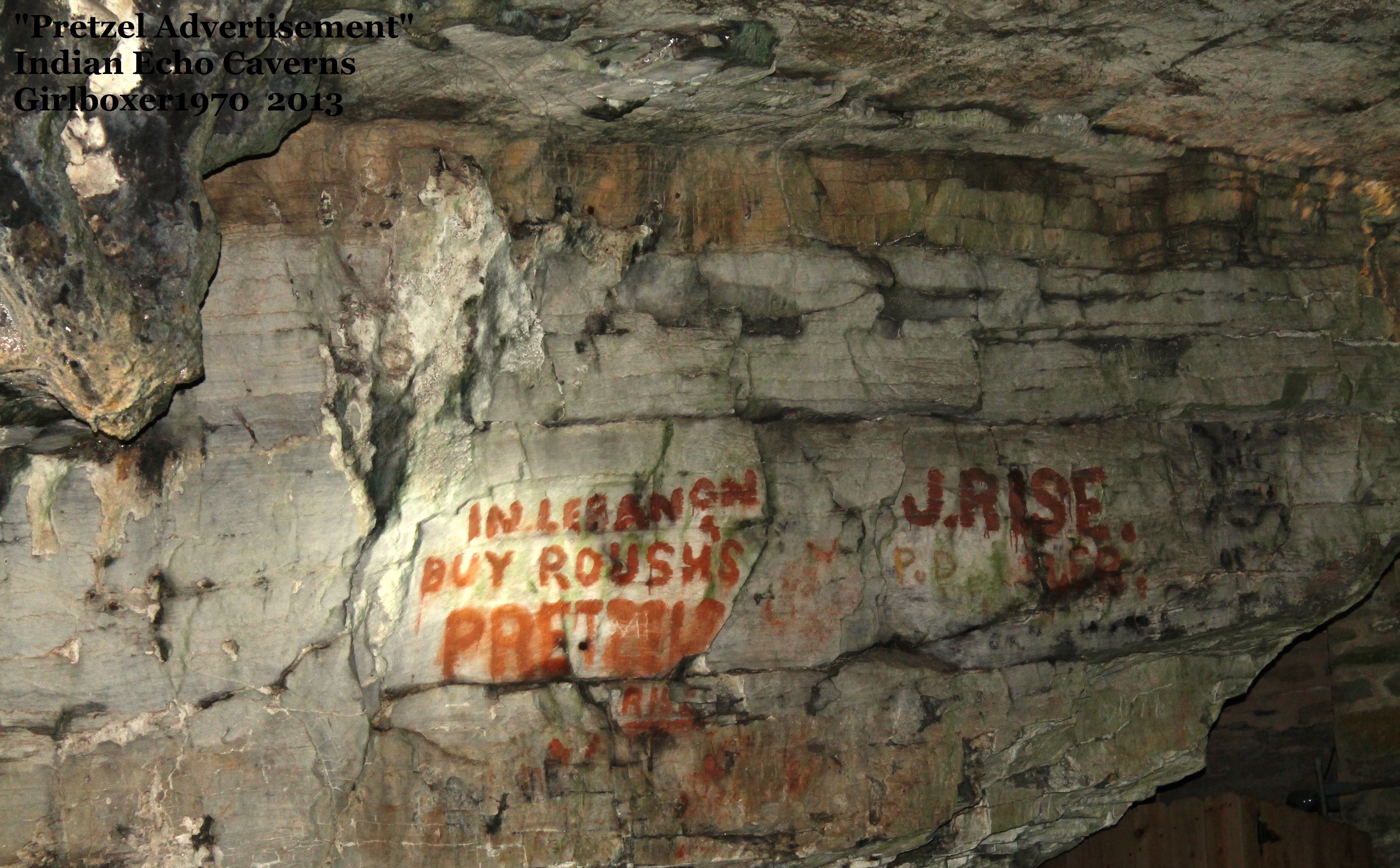
So we learned that the first visitors of the caverns were….wait for it….Indians.  After that it was the French fur-trappers.  They were hanging out in the caves, building fires, staying dry and waiting for animals to be caught in their traps.  That was back in the 17th and 18th Centuries.  In the 19th Century ole William set up camp until from 1802 until 1821, dying a cave resident.  After that, the caves were open to people passing through, perhaps looking to advertise their business cheaply.  The first graffiti was an advertising for pretzels.

Ad Fail: The company went out of business.

Ad Fail: The Lebanon company went out of business.

There were a few other acts of graffiti following the abandonment of the caverns.  In 1929, Mr. John Beiber (no relation to Justin, our guide told us) opened the caverns to the public, with the paths improved and gravel added for safety.  The rooms of mineral deposits were opened for viewing, and handrails, light fixtures, etc. were added to assist in navigating the cavern.  It is dark, chilly, and damp, and often eerie inside, with tales by our guide about dragons and zombies.

Indian Echo Caverns 067

J. Lehner 1858 Andrew

J. Lehner 1858 Andrew


HI At least they kept it short.

HI
At least they kept it short.

red graffiti

red graffiti


I found this promotional photo from 1970 on the Indian Echo Caverns website and thought it was the bees knees.  😉

Historical photo from 1970

Historical photo from 1970

Indian Echo Caverns 217

Vintage Postcard

Vintage Postcard

Indian Echo Caverns 190

In 1942, Mr. Edward S. Swartz, a Hershey native purchased the caverns and his family still retains ownership.  The color of the caves has not been altered, they really are that colorful!

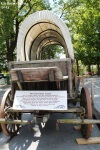
We also enjoyed the Conestoga Wagon display and the petting zoo.  🙂

Click on the first thumbnail to open the photo gallery. Enjoy and stop back again soon!  ~P.


Fiddling Around in New Holland PA

A mass of people converged in New Holland, PA, at the Community Memorial Park for the grandest fiddler’s convention in Pennsylvania.  New Holland has hosted this free music festival since 1988 and it is attended by thousands of musicians and spectators over the Labor Day holiday weekend.

The event is sponsored by the New Holland Summer Arts Association and draws both local and out-of-state participants.  The Fiddler’s Festival features Bluegrass, Country, Gospel and Folk music.  Acts perform onstage using microphones, but the majority of the music comes from performers gathered in the park.  Groups ranged from a duet to large crowds, jamming tunes, dancing and singing.

Performances on stage included Summit Hill Bluegrass, Chester County Boys, Herb and the Boys, Bill Reber and the Boys, New Found Grass, Ramona Trump, Separate Directions, Pine Ridge Ramblers, Master Strings, pianist Phyllis Sands, Dean Sapp, JR Wehner, New Lancaster Bluegrass, Homer & Lynn, The Ramblers and Gospel Messengers.

The weather was beautiful, the sun was shining and music was flowing.

Click on the first thumbnail to open the photo gallery.  Thank you for stopping by my blog!  Enjoy the photos!  ~P.

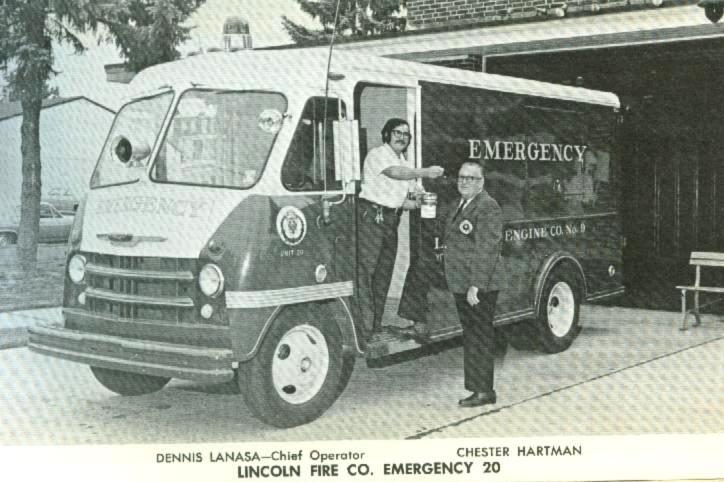
Retired Unit #20 York Emergency Services Rusts

I stopped in my tracks at Baughman’s Salvage Yard as I wandered around taking photos of vehicles in various states of decay.  There was a beautiful, (eye of the beholder) vintage ambulance or emergency vehicle among the lines of rusted vehicles, with York, PA, barely visible.

Imagine the stories that came with a ride in this ambulance.  The last date of inspection was 1999.

Thanks for visiting my blog!  Click like and share with others.  🙂 ~P.

Click on the first thumbnail to open!  Enjoy!

Back in it's hay day.

Back in it’s hay day.

The following information is from a comment below by Jim, who also email the photo above, to me.  Thanks Jim!  ~P.

I believe it was a 1956 Chevy but I could be wrong on that. I had to buy parts for it back in the sixties and that year sticks in my mind. Before it was RED, it was white and some referred to it as the “Ice Cream” truck. It responded to all major fires and served hot coffee, soup and donuts to the FFs and those displaced from their houses. It was a “haven of heat” for those that fought fires that occurred in the winter. These were the days when ambulances did not respond routinely to calls and it also served as a medical/first aid/rehab unit.


Its responses were not limited to York City, it also was requested by many county FDs for major fires. It was one of the few (if not the only) city apparatus to have a “County” low band VHF radio installed. As stated before, It was owned and operated by the Lincoln Fire Company.

Two of its busiest years were 1968 and 1969 and anyone older than 10 at that time should remember what was happening in York.

It also stood by at the Kiwanis Lake Labor day celebration each year and provided first aid services to the crowds. These were the days before “EMTs” and a certified Red Cross person with Standard and Advanced first aid was the highest level of training available. Mouth to Mouth resuscitation was becoming popular as well as that ” new thing” called CPR.

Its death was due to several issues: Lack of Volunteers (the volunteers that joined the station wanted to fight fires, not serve coffee), county FDs establishing their own Canteen trucks with a much faster response time, expense of operation, the age of the vehicle, and IMHO-better fire suppression, better trained personnel, and better fire prevention in York City led to a reduction in the number of major fires, in which its services were needed. It took a while to make coffee, buy donuts and respond. Towards the end, it would be responding and the event would be over.

Maybe the Queen of Sparta was a Ho

Pattie Crider

WRT 225.101

Response 2

September 4, 2013


Questions Addressed by Rhetorical Theory Reading

            Two educational issues addressed by the reading assignments were, who was historically considered a rhetor, and what motivated a rhetor to give public speeches. The first question is in regard to the speakers’ expertise and practical knowledge to be considered a rhetor.  The second was determined by the type of speech an orator delivered.

Historically, rhetoric was used by those who had a “high place” in society.  These people, men to be specific, received an education and were looked at as prized persons of the community. It was a position most likely achieved by birth, which fortunately, included a solid education.  The process of learning the art of rhetoric changed when the Sophist Influence made it possible for anyone having the money, to learn how to use rhetorical speech.  This influence did more than just educate people in the art of speaking, it also taught cultural acceptance as society became more and more diverse.  Learning rhetorical skills gave people the ability to use the power of memory in general education and in practical life situations.  People were able to represent and protect themselves by applying their linguistic abilities.

Gorgias’ essay, “Encomium to Helen” is an example of how to influence an audience to reach the same conclusions as the rhetor.  Gorgias used the rhetorical techniques he learned to write a speech in order to uphold the good name of Helen of Sparta, regardless if she had been taken from her husband against her will, or willingly.  His speech supported going to war against the kidnapping prince in Asia Minor, to take back Helen.  Gorgias spoke to clear Helen of any wrong-doing, calling her “blameless” and a “victim of persuasion” who was “tricked by false words.”  The speech was very colorful, lively, and clear that Helen was indeed, a victim.  My thought after reading Gorgias speech: perhaps Paris, Prince of Troy, had a few rhetorical lessons under his belt before he began to “woo” the Queen of Sparta, using his education for a nefarious, personal agenda.

victim or ho?

victim or ho?

Bones~Aliens in a Spaceship

Pattie Crider

WRT 225.101

Introductory Activity: Bones

September 4, 2013


Cast of Bones

Cast of Bones minus Zack who turned out to be an accomplice to a serial killer.

Character Discipline and Theme Analysis of Bones Season: 2, Episode: 9

“Aliens in a Spaceship”


            The genre of program determines the theme and discipline of the characters. Bones is a crime solving program and the focus is on two disciplines, science and law enforcement. Underlying themes of the program are personal and work relationships, religion and death.  This specific episode featured the antagonist as serial killer who kidnaps two of the protagonists, Bones and Hodge. Through the use of logic, science and technology, the kidnapped scientists are rescued by the FBI agent.

The concept of Bones is a group of geniuses that solve murders through the study of bones. The group works closely with the FBI to determine the perpetrator in hopes of capture. The main cast has unique personalities that create many secondary story lines. This is necessary in all writing. Bones, the main character, is logical and relies on science to answer questions.  She has no higher power belief. Agent Booth, while an expert in catching criminals, relies on his experience, gut feelings and faith in God to achieve his goals. The pair continuously has conflict over religion and underlying emotions for each other.

The remaining sub characters are all scientists but have individual focuses in order to be an important part of this genius group. Angela’s specialty is visual art, recreating what happened to the victims.  Hodge, who is deeply in love with Angela, specializes in chemistry.  Camille, the motherly figure who is having a sexual relationship with Agent Booth, fields the psychological aspects of the criminals and Zack, the baby of the group, is a driven, math genius.

This episode of Bones has re-occurring themes that the cast must tackle, ego being a significant one.  Also significant in this episode is “The Grave Digger,” an “invisible” serial killer, is shown as “God-like” having complete control over his victims and their families.  Bones and Hodges must rely on their brilliance and MacGyver-like skills of survival; they escaped certain death at the hand of the Grave Digger.  Graphic scenes, love confessions, serial killers, explosions, kidnapping and attractive people in well-written stories are popular in the 21st century.  The story line and characters of this program transfer well to television, capturing an audience following.

Not relevant to my paper and not in the version I turn in to my professor.  Angela is smoking hot!

~P.

8 Hours of Media

Nutella

Pattie Crider

WRT 320 Digital Writing

Digital Literacy Narrative

September 5, 2013

8 Hours of Media


            What I can clearly see, after documenting specific use of technology is: my life would not be the same without it.  Technology is the vehicle that drives humans. Unless you live in a secluded, undeveloped area of the world, technology has an impact on nearly every moment of the day.

I began using media thirty minutes after waking and used it, nearly continuously, until retiring for the day. In the eight hours I logged, I found it most interesting that my media time frame began with me trying to reach my child and ended with her reaching me, as I left my final class.  I could not live life without personal access to others via my cell phone and the Internet.  I am not alone in this thought. Most of the world could not function as we know it, without the technology humans have created.

I consumed information digitally on my cell phone and laptop through-out the day for classroom information, personal research and interaction with friends and associates. I produced information and shared it worldwide on the Internet and also participated in personal messages by cell phone and computer. While driving to and from campus, I “collected” digital images with the intent of sharing them in the future on the Internet for the enjoyment and education of others. My life is nearly constant in the media in the aspect that I freely share my life with others on my blog site, Twitter, Facebook and other social media outlets. My life and approximate whereabouts is available 24 hours a day, 356 days, a year at the touch of any Internet capable device.

Media has become the “auto drive” of my life. I react and use it, without giving thought to losing this technology. I am driven to interact with people all over the world. This sounds rather grand of me, but I am just a speck on the earth that has managed to gain the attention of many other specks populating the earth.  Without having media technology, much of the world would not know of my existence, possibly influencing my career path. My perspective differs from most others. I intentionally “put myself out there” for all to examine and draw their own conclusions. As a writer, this style humanizes me, making others able to relate to me personally and professionally. That “reader to writer” relationship maintains them as dedicated consumers of my daily, never-ending online diary.


Reference: media use log

8 AM Phone call to Tesla- redirected to voice mail.

8:10 Received call from Dale

8:15 Pocket dialed my dentist

8:16 Phone call to Tesla- redirected to voice mail.

8:17 Online: Checked YCP email, Yahoo email, Facebook, Girlboxer1970, Twitter and played Candy (Crack) Crush.

9:30 Texting a friend from high school on my phone

9:35 Took pictures with my digital camera on the way to campus to later post on the “You know you’re from York when,” Facebook Page.

10 AM Watched an episode of the television show Bones through Netflicks in Professor Waddel’s Interdisciplinary Writing course.  Used my cell phone to create enough light to take notes.

10:57 Checked Facebook and text messages.

11:07 Received a text message from another friend from high school.  She would be stopping by my house to drop off clothes for my daughter.  Woot!!

11:30 Internet use in Professsor Carsey’s Rhetorical Theory class.  Viewed a German Sheppard for adoption and applied Pathos to make an argument for why “we should adopt a shelter dog.”

12:05 PM Took digital photos of the campus in order to create a Spartan article and blog post about the changes on campus.

12:30 Online: Checked YCP email, Yahoo email, Facebook, Girlboxer1970, Twitter and played Candy (Crack) Crush.

1:15 Responded to text about clothes being dropped off at my home.

2:30 Checked YCP website to see what room my Geography class was held.

4:02 Received a return phone call from my daughter.

ENDNOTE: At least I’m not hooked on Farmville anymore!

~P.

Amish Mafia: Esther Schmucker Opened Multiple Abuse Cases Against Boyfriend This Summer

So I’m guessing this isn’t the man the Old Amish Sect lady was talking about when she told Esther she needed to find a good man.  Personally, I think it’s all promotional but hey, whatever.  Filing a PFA and then not showing up for court is a no-no.  It makes it harder for women who are really being abused to get a PFA because of drama like this.

Can any of this make it onto the program please? ~P.

Amish Mafia: Esther Schmucker Opened Multiple Abuse Cases Against Boyfriend This Summer.


What I Have Learned About Rhetoric That I Didn’t Know Before

Pattie Crider

WRT 305

Response 1

August 30, 2013

rhetorical thinking

rhetorical thinking

What I Have Learned About Rhetoric That I Didn’t Know Before

I started this class having never given much thought to rhetoric- the definition or the origin of the word. It sounded Greek. I knew that it had to do with language and the manipulation of language, beyond that I was pitifully ignorant. What I learned is, there are endless definitions and examples of what and how rhetoric is used in language, with the intent to persuade a consumer. This did not surprise me, as all written word is bias, and has influence in some fashion to the consumer. The two most interesting things I learned in the reading were how important rhetoric became in spreading the word of Christianity and second, how long it took for women to be accepted as rhetorical thinkers.

Rhetoric has negativity permanently attached to it because of its ability to persuade people. The persuasive orators in history would use fact, logic and emotional appeal to capture and affectively change the thinking, or at minimum, cause a new type of thought, within their audience. The spread of Christianity was done primarily through oral speeches to massive crowds. The speaker, whether a priest, a disciple or Jesus himself, would lecture, and the crowd listen, open to learning about this new religion call Christianity. Not only did Christianity use rhetoric to inform and persuade, it influenced the composition of religious writing. In time, a “handbook” for Christians was created that was stylistic in format and text, using punctuation to make the written word clear to be read, rather than heard. This may very well be the most effective use of rhetoric in history as Christianity has managed to spread worldwide since medieval times.

I knew that it took until the Renaissance period for women’s writing to at least be acknowledged, but it surprised me to read that “almost all women were forbidden to speak in public.” I don’t know exactly what is written by the Apostle Paul that upset Margaret Fell in the late Seventeenth century, but I applaud her for aggressively defending the rights of women to have a voice among the dominating men. It was a start that took two more centuries to finally cause a change. Honestly, that blows my mind. Even in the Twenty-first century, males continue to be the dominant of sexes in positions that use rhetoric. Be it lawyers, priests or writers, women have not reached the same level of acceptance that men have been given since the first orator prepared, memorized and addressed the public with his speech.

One Tattooed Fox

First photo session with the tattooed model, Elyse Fox, from Dover, PA.  This was a relaxed session, shooting Fox posing in her own home.

Future photo sessions to come!  Click on the first thumbnail to open the photo gallery.  ~P.